1. Walk the site safely
Crews observe from a safe distance and check air and surroundings before entering. They photograph labels and the spread of the release.
Collinsville, IL · Madison County
Property owners in Collinsville call (877) 812-4220 when a spill reaches pavement, soil or a drain. The cleanup team places barriers, removes contaminated material and packs the waste by type.
If anyone is in danger, call 911 first. For a suicide crisis, call or text 988.
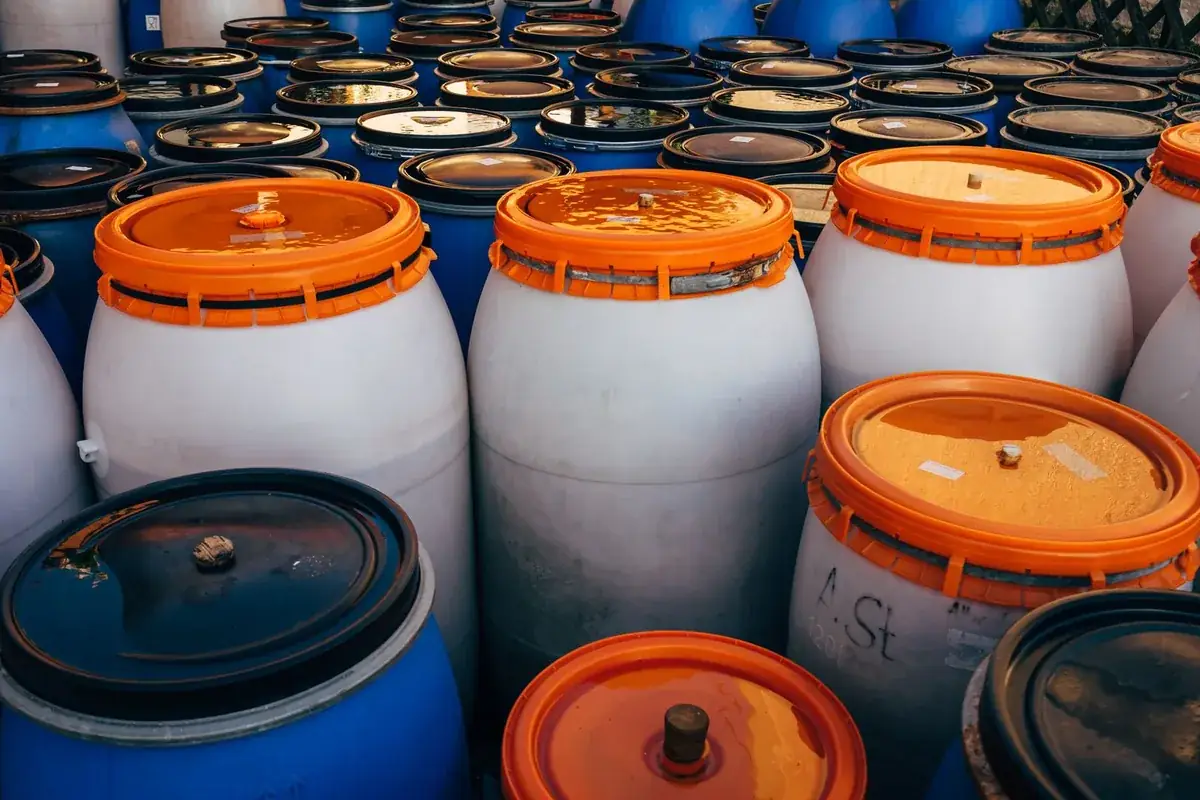
Hazmat cleanup, also called hazardous materials cleanup, is the safe handling, removal and disposal of dangerous substances after a spill, leak or release. It ends with the site cleaned and the waste lawfully hauled away.
Property owners, managers, landlords and business operators in Collinsville, IL can get hazardous materials cleanup done right. You get a team that explains each step and the records to keep, with help from Collinsville Biohazard Cleanup Help.
Collinsville receives about 41 inches of precipitation a year, and rain can wash spilled fuel and chemicals into ditches, drains and yards. A plan for a spill in Collinsville should include where to seek care, such as Anderson Hospital about 4 miles away, as well as who will do the cleanup.
The work often covers:
Crews observe from a safe distance and check air and surroundings before entering. They photograph labels and the spread of the release.
Flammables, corrosives, poisons and oxidizers are separated. Anything leaking is packed in secondary containment right away.
Stained concrete, soaked soil and contaminated surfaces are cleaned or removed. Tools are decontaminated or disposed of after use.
The team inspects the cleaned area and explains the result. Hazardous waste leaves the property in labeled containers for lawful disposal.
Hazmat cleanup in Collinsville, IL typically costs $4,000 to $40,000, depending on the size of the affected area and the materials involved.
Size and spread matter. A spill on sealed pavement is less work than one that soaked into soil, gravel or porous materials, and more material means more labor and more waste.
| Type of job | Typical range |
|---|---|
| Initial cleanup and containment | $6 - $20 per square foot |
| Small to mid-size spaces | $4,000 - $40,000 |
Estimates only, not a quote. Sources: One and Done Prep. Price drivers include type of contaminant, square footage, containment setup, waste disposal. Call (877) 812-4220 to talk through the job.
Biohazard usually means materials that carry germs, such as blood and body fluids. Hazmat means materials that are dangerous in other ways, such as chemicals, fuels and gases. Some jobs involve both. A local team can explain which applies to your situation.
OSHA sets safety rules for workers who respond to and clean up hazardous substances. Professional crews follow those rules and use gear matched to the hazard. Employers have their own duties, which safety staff or an attorney can explain.
Yes. Floods and fires can break containers and mix contents. Crews identify what spilled, contain it and remove damaged containers and soaked materials. They also clean the surfaces the release touched.
Small spills of familiar products may be manageable by following the label. Large, unknown or dangerous spills are not. Never mix products. If in doubt, leave the area, keep people and pets out and call 911 or Poison Control.
Do not open, move or smell them. Keep people and pets away and take photos from a safe distance. You can get a cleanup team to identify the contents, sort them by hazard and set up lawful disposal.
Keep people away and call 911 if there is danger. Cleanup teams place barriers and absorbents to stop the spread and remove contaminated soil or materials where needed. Local fire and health officials can say what must be reported.
Describe the spill by phone and the team explains the next safe step.
Call (877) 812-4220